

Bringing Generations Together: A Simple, Powerful Tool in Alzheimer’s Care
When the Grandchildren Walked In: A Moment That Changed Everything
Jean’s story didn’t begin with a diagnosis. It began with what seemed like a routine surgery—one her family believed she would recover from quickly. But something shifted.
Jean became withdrawn. Conversations faded. Therapy sessions stalled. The vibrant personality her family knew felt just out of reach.
Then came the diagnosis: Alzheimer’s disease.
Everything changed—but not in the way you might expect.
One afternoon, Jean’s grandchildren walked into the room.
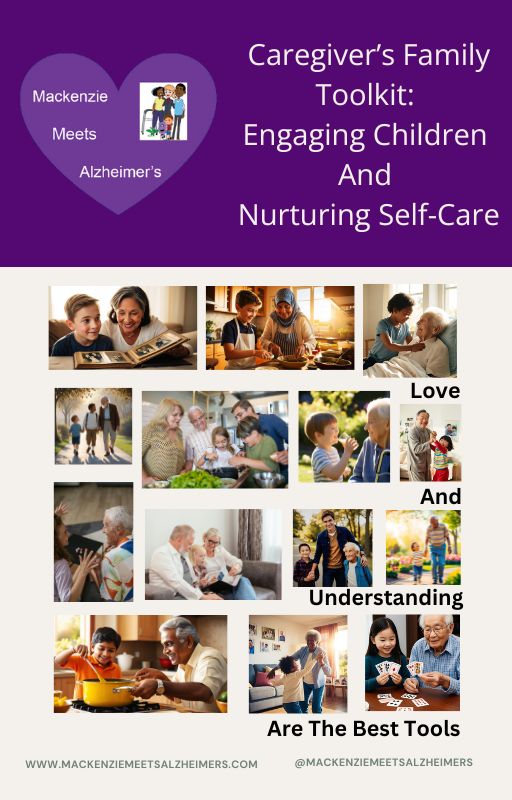
They didn’t hesitate. They laughed, climbed onto her bed, and invited her into their world without expectation. And something remarkable happened—Jean responded. She smiled. She engaged. For the first time in weeks, her family saw glimpses of her again.
That moment became a turning point.

Why Bringing Generations Together Matters in Alzheimer’s Care
Even when memory and cognitive abilities change, emotional connection often remains deeply intact. That is why meaningful interaction between children and older adults can be so powerful.
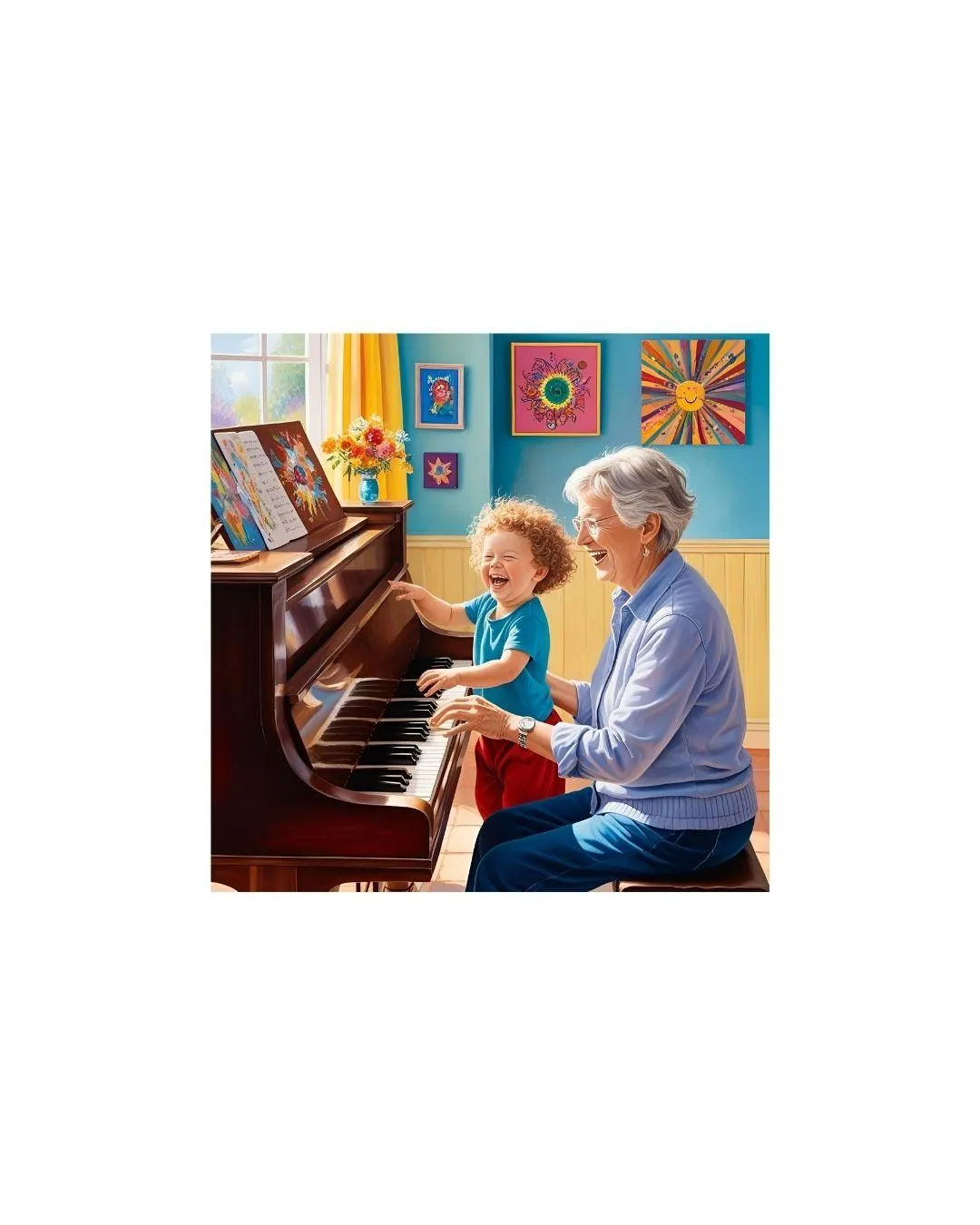
Research shows that social engagement and positive emotional experiences may help improve overall well-being for individuals living with Alzheimer’s and other forms of dementia. Familiar routines, conversation, music, laughter, and gentle stimulation can all encourage moments of connection and responsiveness.
Children bring something uniquely valuable into these interactions:
Genuine curiosity
Natural joy and laughter
Sensory-rich engagement
Authentic emotional presence
Unlike structured caregiving tasks, these moments are not focused on performance or memory recall. They are rooted in shared experience, comfort, and emotional connection — things that often remain meaningful long after specific details are forgotten.
For many families, intergenerational connection becomes more than an activity. It becomes a way to preserve dignity, create moments of joy, and strengthen family bonds through every stage of the journey.
Key Benefits of Intergenerational Interaction
Improves mood and emotional well-being
Encourages communication and responsiveness
Reduces loneliness and isolation
Stimulates memory and cognitive engagement
Creates meaningful shared experiences
Children bring something unique: presence without pressure. They don’t focus on what’s been lost—they engage with what’s still there.
That shift can be incredibly powerful.
The Hidden Challenge: Why Families Can’t Do It Alone
After Jean returned home, her family tried to recreate those beautiful moments.
There were after-school visits. Shared laughter. Small, meaningful interactions.
But caregiving is constant—and demanding.
Balancing:
Raising children
Managing a household
Providing full-time care
…quickly became overwhelming.
This is a reality many families face. According to theNational Institute on Aging, caregiving for someone with Alzheimer’s often requires increasing levels of time, emotional energy, and physical support.
Even the most devoted families need help.
A Practical Solution: The Role of Adult Day Centers
Jean’s family made a decision that changed everything—they sought outside support.
They enrolled her in an adult day center.
These centers, supported by organizations like the National Institute on Aging, provide:
Structured daily routines
Social interaction opportunities
Therapeutic activities
Supervised care in a safe environment
Why This Matters
For Jean:
She gained consistent engagement and stimulation
For her family:
They regained balance
They reduced burnout
They could show up emotionally—not just physically
Sometimes, the best way to create meaningful moments at home is by ensuring support outside of it.