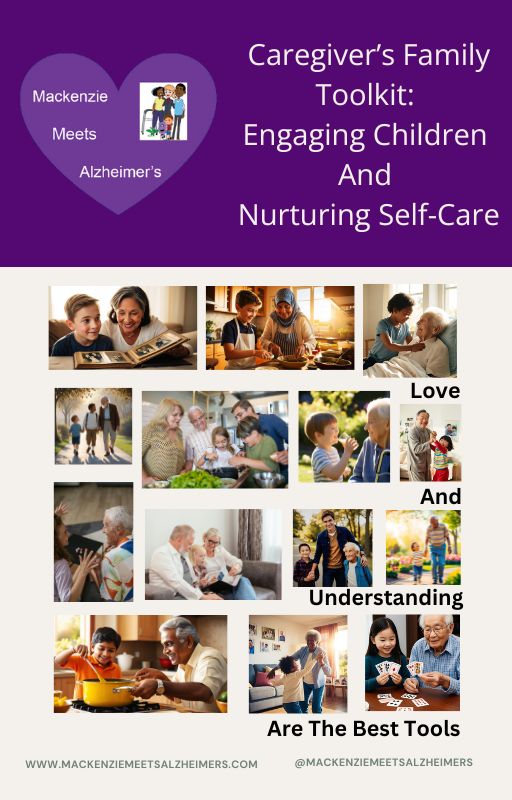


Creating Kind Hearts: How Caregiving Creates Compassion in Children
Imagine a world where your child grows up not just to be successful, but truly compassionate and empathetic. For families managing the challenging dynamics of teaching children to interact with loved ones having Alzheimer's or other types of dementia, this dream can become a reality. Does caregiving hold the key to nurturing these virtues in your child? Research and real-life stories highlight how caregiving roles, however small, can instill profound benefits in children. These roles allow children to not only support their loved one, but also to create positive memories and partake in self-care practices themselves.
Curious about how caregiving can reshape your child's future as an empathetic adult? Learn more about nurturing compassion through caregiving by downloading the PDF below - Creating Kind Hearts: How Caregiving Creates Compassion in Children.

The Role of Caregiving in Child Development
Caregiving children take on various responsibilities that enhance their moral and emotional development. These roles, often pereived as burdens, actually offer invaluable life lessons. For instance, engaging children in simple caregiving tasks, such as assisting in reading a picture book to their loved ones, can foster a nurturing bond and cultivate empathy.
Strengthening Family Bonds
Encouraging your child to share moments with loved ones through caregiving tasks can deepen family relationships and instill a sense of belonging. Additionally, these tasks help children understand the impact of their actions on others.
Creating Positive Memories
The caregiving journey, while challenging, also provides opportunities to create cherished memories. Children gain insights into the importance of patience, kindness, and resilience—traits that not only help in caregiving, but also in their personal growth and future relationships.
Activity Suggestion:
Create a memory board together, highlighting positive experiences and fulfilling caregiving moments. Each photo or memento can spark stories and remind children of the love and compassion shared.
Download our PDF for more activities.
Enhancing Emotional Intelligence
Such roles provide children with firsthand experiences in managing emotions, both their own and others'. As they interact with loved ones who have dementia, they learn to navigate complex emotions, thus boosting their emotional intelligence.
Encouragement and Engagement
Maintaining an open line of communication is vital. Ask your child how they feel about their caregiving experience. Encourage them to express their feelings, and then validate their emotions. Engagement not only builds emotional strength but also encourages personal growth.
Concluding Thoughts
Caregiving is an exceptional pathway to nurturing compassion and empathy in children, preparing them to become caring adults who contribute positively to society. By integrating caregiving into their daily routines, children learn to value every moment and every emotion, transforming challenges into opportunities for growth.
Ready to explore more about creating a nurturing environment for your child and your loved one with Alzheimer's or any type of dementia? Consider purchasing our Mackenzie Meets Alzheimer's Awareness Program. Learn more here.